Little Castle: Integrating a Playful Display Font into Professional Workflows
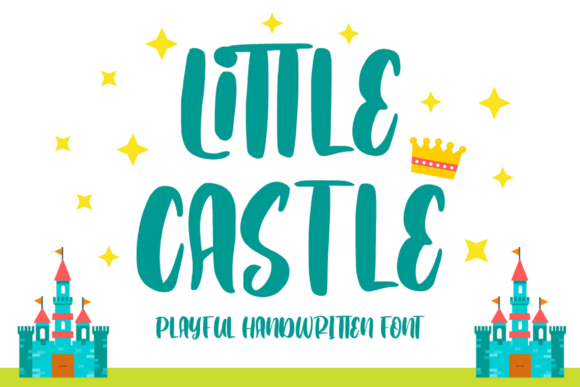
In the landscape of digital design, selecting the right typography is rarely just an aesthetic choice; it is a strategic decision that influences how information is received and processed. Little Castle stands out as a cool and playful display font that brings a distinct warmth and jolliness to any visual communication. While often categorized under whimsical or decorative typefaces, its utility extends far beyond simple decoration. For professionals, creators, entrepreneurs, and educators aged 20 to 50, integrating Little Castle requires a thoughtful approach to ensure it enhances rather than distracts from the core message.
This article explores how to incorporate Little Castle into practical workflows, from initial planning stages to final execution. By understanding its characteristics and limitations, users can transform project ideas into real works of art while maintaining professional credibility and clarity.
Understanding the Role of Little Castle in Design Systems
Before implementing Little Castle in a project, it is essential to define its specific role within the broader design system. Unlike neutral sans-serif fonts used for body text, this font is inherently expressive. Its warm and jolly nature makes it ideal for capturing attention, but it demands respect regarding context. In a workflow involving multiple stakeholders, such as a marketing team or a product development group, establishing clear guidelines for font usage prevents inconsistency.
Little Castle functions best as a headline or display element. It acts as a visual hook that sets the emotional tone before the user even reads the content. When paired with clean, legible body text, it creates a balanced hierarchy that guides the reader's eye effectively. The key is to view this font not as a standalone solution but as a powerful component that interacts with other assets, platforms, and people involved in the project lifecycle.
Preparation and Asset Organization
Successful integration begins during the preparation phase. Before launching a campaign, building a website, or creating educational materials, designers should organize their asset libraries to include Little Castle alongside standard fonts. This involves:
- Ensuring the font files are properly licensed for commercial use if the project is client-facing.
- Testing the font across different devices and screen resolutions to verify readability.
- Creating style guides that specify when and where Little Castle can be used versus when a more conservative typeface is required.
By treating the font selection as a logistical task, teams can avoid last-minute scrambling and ensure that the "endless variations" offered by the font family are utilized consistently. This preparation phase is critical for maintaining quality control and ensuring that the final output aligns with brand identity.
Application Across Different Project Stages
The versatility of Little Castle allows it to fit into various stages of a creative process, business workflow, or personal goal. Its application changes depending on whether the focus is on planning, execution, or review.
During the Creative Process
During the ideation and brainstorming phases, typography can serve as a catalyst for creativity. Using Little Castle in mood boards or concept sketches can help teams visualize the potential energy of a project. Its playful character encourages a mindset of experimentation, allowing creators to explore bold concepts without the constraints of rigid corporate design rules. This is particularly useful for hobbyists and freelancers looking to inject personality into their portfolios.
However, once the concept moves toward execution, the focus shifts to usability. If the project involves complex data, legal documents, or technical manuals, Little Castle should be relegated to headers only. Overusing the font in these contexts can reduce efficiency and confuse the audience. The goal is to balance the "cool and playful" nature of the font with the need for clear communication.
Post-Project Evaluation and Iteration
After a project is launched, evaluating the effectiveness of the typography is a crucial step. Did Little Castle successfully capture the intended emotion? Did it improve engagement metrics, or did it hinder readability? For marketers and publishers, analyzing user interaction with headlines set in this font can provide valuable insights. If the font is perceived as too distracting, future iterations may require a more restrained approach, perhaps using lighter weights or smaller sizes.
Strategic Use Cases for Professionals and Creators
Different professionals can leverage Little Castle to achieve specific outcomes. Understanding these use cases helps in making informed decisions about implementation.
- Entrepreneurs and Small Business Owners: For startups and small businesses, standing out is vital. Using Little Castle on landing pages, product packaging, or social media graphics can differentiate a brand from competitors who rely on generic fonts. It conveys approachability and friendliness, which can lower barriers to entry for new customers.
- Educators and Bloggers: In educational content, maintaining student interest is paramount. Teachers and bloggers can use this font to highlight key takeaways, quiz titles, or section headers. The warm and jolly feel of the font can make learning materials feel less formal and more engaging, fostering a positive attitude toward the subject matter.
- Freelancers and Publishers: Freelance designers often need to adapt quickly to different client needs. Having Little Castle in their toolkit allows them to offer unique solutions for clients seeking a fun, vibrant aesthetic. Whether designing event invitations, children's book covers, or festival posters, the font provides endless variations that can be tailored to specific themes.
Integration with Tools and Platforms
Modern workflows involve a suite of tools, from graphic design software to content management systems (CMS). Ensuring that Little Castle integrates smoothly with these platforms is essential for efficiency. Most major design applications support custom fonts, but web implementation requires careful consideration of file formats and loading times.
When using Little Castle on websites, it is important to optimize the font files to prevent slow page loads, which can negatively impact SEO and user experience. Utilizing web font services or self-hosting strategies that prioritize performance ensures that the visual appeal does not come at the cost of speed. Furthermore, compatibility checks should be performed regularly to ensure the font renders correctly across all browsers and operating systems.
For collaborative teams, cloud-based asset management systems can streamline the process. By centralizing the font files, everyone on the team has access to the same versions, reducing the risk of errors caused by missing fonts or incorrect substitutions. This organizational step is often overlooked but is fundamental to maintaining consistency in large-scale projects.
Maintaining Consistency and Quality Control
One of the biggest challenges when working with expressive fonts like Little Castle is maintaining consistency. Because the font is so distinctive, inconsistent usage can look unprofessional. To mitigate this, establish strict rules regarding kerning, line height, and color contrast.
Quality control should also extend to the emotional resonance of the design. Does the jolliness of the font match the seriousness of the content? A mismatch here can lead to confusion. For example, using Little Castle for a serious financial report would likely undermine the authority of the document. Conversely, using it for a children's party invitation is perfect. The designer must constantly evaluate the alignment between the font's personality and the project's objective.
Long-Term Viability and Trends
Trends in typography evolve rapidly. What feels fresh and modern today might appear dated in a few years. However, classic display fonts often have a longevity that transcends fleeting trends. Little Castle, with its timeless charm and playful spirit, possesses the potential for long-term use. By focusing on its fundamental qualities—warmth, playfulness, and artistry—designers can create work that remains relevant regardless of shifting design fads.
To ensure long-term success, keep the usage minimal and purposeful. Let the font shine in key moments rather than saturating every inch of the design. This restraint not only enhances the visual impact but also ensures that the design ages gracefully.
Conclusion: Making Every Project a Work of Art
Little Castle offers more than just a unique visual style; it offers a tool for storytelling and emotional connection. By approaching its integration with a process-oriented mindset, professionals can harness its full potential. From the initial planning stages to the final polish, this font can turn ordinary project ideas into real works of art.
Whether you are a marketer crafting a campaign, an educator designing a lesson plan, or a freelancer pitching a new client, Little Castle invites you to have fun with your work. Explore its endless variations, test its boundaries, and integrate it thoughtfully into your routine. With the right strategy, this cool and playful display font will become an indispensable part of your creative arsenal, adding warmth and joy to every piece of content you produce.