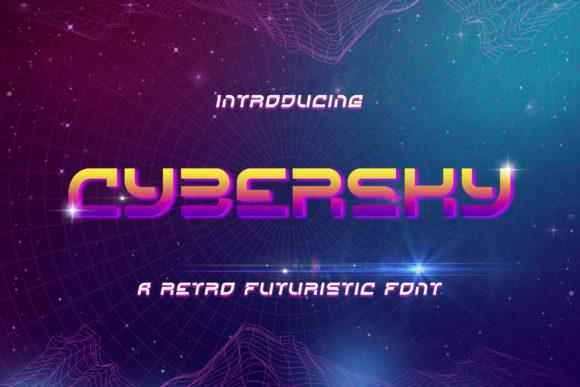
Cybersky: Integrating a Futuristic Display Font into Professional Workflows
In the landscape of digital and print design, selecting the right typographic tool is rarely just an aesthetic choice; it is a strategic decision that dictates the efficiency and impact of a project. Cybersky stands out as a sharp, angular, and futuristic display font that bridges the gap between retro nostalgia and modern functionality. For professionals ranging from marketers to small business owners, understanding where this typeface fits within a broader creative process is essential for maximizing its potential.
This font is not merely a visual element to be applied at the end of a workflow. Instead, it serves as a foundational component that influences planning, execution, and final output quality. Whether you are designing a high-impact poster, a flyer for a local event, or a digital banner for a tech startup, Cybersky offers a distinct visual language that commands attention while maintaining readability in large formats.
Defining the Role of Cybersky in Creative Planning
Before opening any design software, the integration of a specific typeface like Cybersky must begin during the conceptual phase. The angular nature of this font suggests precision, technology, and forward momentum. When a professional planner or entrepreneur initiates a project, they often ask how the visual identity will communicate the core message. If the goal is to evoke a sense of innovation or a cyberpunk-inspired atmosphere, Cybersky becomes a primary driver of the narrative before a single graphic element is placed.
The retro style embedded in Cybersky adds a layer of complexity to this planning stage. It allows creators to tap into the familiarity of 80s and 90s aesthetics without sacrificing contemporary relevance. This duality requires careful consideration during the briefing process. Teams must decide if the retro-futuristic vibe aligns with their brand voice. For instance, a logistics company might use this font to suggest speed and advanced tracking systems, while a music festival could leverage its angularity to promise an electrifying experience.
By identifying these nuances early, designers avoid the common pitfall of forcing a font that clashes with the intended mood. Proper preparation ensures that Cybersky is used intentionally rather than as a default choice. This foresight streamlines the subsequent steps of asset creation, reducing the need for major revisions later in the production cycle.
Preparation and Asset Organization
Once the decision to use Cybersky is made, the next critical step involves technical preparation. Unlike standard body text fonts, display fonts require specific handling to ensure they function correctly across different mediums. Professionals should verify that the font file is compatible with their primary design tools, whether that is Adobe Illustrator, InDesign, or a web-based platform. Ensuring that the font family includes all necessary weights and styles is vital for maintaining consistency throughout a multi-page document or a series of marketing materials.
Organization of assets plays a significant role in efficiency. Designers working with Cybersky should establish a naming convention for files that reflects the typography usage. This practice prevents confusion when multiple team members collaborate on a project. Furthermore, checking the licensing agreement is a non-negotiable part of the workflow. Understanding the scope of use—whether for personal projects, client work, or commercial distribution—protects the business from legal complications and ensures long-term usability.
- Verify Compatibility: Ensure the font renders correctly on all target devices and operating systems.
- Check Licensing: Confirm that the license covers all intended platforms, including print and digital.
- Organize Libraries: Create dedicated folders for Cybersky assets to streamline access during tight deadlines.
- Test Readability: Preview the font at various sizes to confirm legibility before finalizing layouts.
Execution Strategies for Print and Digital Media
The actual implementation of Cybersky varies depending on the medium. In the realm of print, such as posters and flyers, the font's sharp angles and high contrast can create stunning visual hierarchies. However, the physical constraints of printing require a different approach than screen design. The ink spread on paper can soften sharp edges, so designers must adjust kerning and spacing slightly to compensate for this effect. A meticulous review of proofs is necessary to ensure that the futuristic look remains crisp and does not become muddy due to printing limitations.
For digital applications, the dynamic nature of screens offers more flexibility. Cybersky can be animated or layered with other graphical elements to enhance the user experience. During the execution phase, creators should focus on the interaction between the font and negative space. Because the typeface is bold and angular, it benefits from generous breathing room. Crowding the text diminishes its impact and reduces the overall professionalism of the design.
When integrating Cybersky into a workflow that involves collaboration with copywriters or content strategists, clear communication is key. The length of headlines using this font may differ from standard sans-serif types due to its unique character widths. Content teams must adapt their writing to fit the visual constraints without compromising the message. This iterative process ensures that the final output is both visually striking and semantically clear.
Quality Control and Consistency Checks
Maintaining quality control is essential when deploying a distinctive font like Cybersky. Consistency across all touchpoints reinforces brand recognition. If a logo uses the font in one weight, using a different weight for social media graphics can dilute the brand identity. Establishing a style guide that documents exactly how Cybersky should be used—including minimum sizes, color combinations, and spacing rules—provides a reference point for all stakeholders.
During the review process, check for alignment issues. The angular nature of the letters can sometimes create optical illusions where lines appear misaligned even when they are technically straight. Adjusting the baseline or tracking slightly can correct these perceptions. Additionally, ensure that the font does not clash with other elements in the layout. While Cybersky is powerful, it should complement the imagery and colors rather than compete with them for dominance.
Long-Term Integration and Scalability
Using Cybersky effectively is not just about the immediate project; it is about building a sustainable design system. For entrepreneurs and publishers who plan to release content over time, the longevity of the font choice matters. Trends come and go, but the retro-futuristic aesthetic has proven to have staying power. By incorporating Cybersky into a long-term strategy, businesses can create a recognizable visual signature that evolves with their audience.
However, scalability is a factor to consider. While Cybersky excels as a display font for headlines and titles, it is generally less suitable for body text. Attempting to use it for long-form reading can lead to fatigue and reduced comprehension. To integrate this font smoothly into a routine, pair it with a neutral, highly readable sans-serif for supporting text. This combination leverages the strengths of both typefaces: the emotional impact of Cybersky and the functional clarity of a standard body font.
As projects grow in complexity, the ability to reuse assets efficiently becomes a measure of productivity. Creating reusable templates that feature Cybersky can significantly reduce the time required for future campaigns. These templates serve as a foundation upon which new content can be built, ensuring that every piece of collateral maintains a cohesive look and feel. This approach supports a steady workflow, allowing professionals to focus on strategy and content rather than reinventing the wheel for every new task.
Exploring Endless Possibilities in Workflow
The true value of Cybersky lies in its versatility across different sectors. Educators might use it for course materials related to technology or history, while freelancers can utilize it to create standout portfolios that capture the attention of potential clients. Marketers can deploy it in email headers to increase open rates through visual intrigue. The key is to understand the context in which the font operates and to tailor its application to the specific needs of the audience.
By treating Cybersky as a strategic tool rather than a decorative afterthought, professionals can unlock its full potential. The process of selecting, preparing, executing, and reviewing the use of this font mirrors the broader disciplines of project management and creative direction. It demands attention to detail, foresight, and a commitment to quality. When executed with care, Cybersky transforms ordinary designs into memorable experiences that resonate with viewers and drive results.
Ultimately, the integration of Cybersky into your workflow is a testament to the power of thoughtful design choices. It invites creators to explore new boundaries while adhering to the principles of effective communication. Whether you are launching a new product, organizing a community event, or simply updating your personal blog, this font provides a robust framework for visual storytelling. Embrace its sharp angles and retro soul, and watch as your designs take on a life of their own.