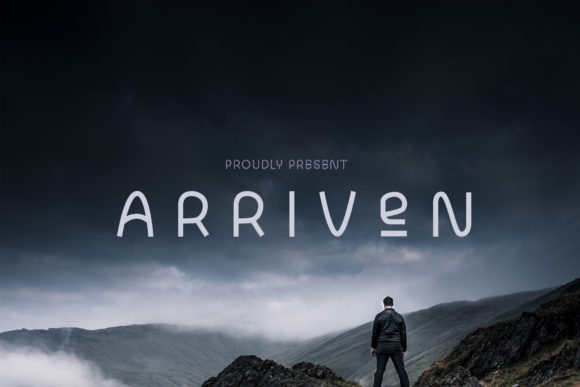
Java: The Geometric Display Font for Futuristic Branding
In a digital landscape saturated with generic sans-serifs and overused script fonts, finding a typeface that commands attention without sacrificing elegance is a genuine challenge. This is where Java steps in as a standout solution. It is not merely another geometric styled font; it is a unique display typeface engineered to inject a futuristic touch into any creative project. Whether you are designing a high-end business card, crafting a website header, or developing a brand identity for a tech startup, Java offers the structural precision and modern flair needed to elevate your visual communication.
Visual Personality and Design Characteristics
At first glance, Java presents itself as a masterclass in geometric construction. Its form relies heavily on perfect circles and sharp, clean lines that create an immediate sense of order and sophistication. Unlike traditional serif fonts that rely on decorative flourishes or handwritten scripts that mimic human imperfection, Java embraces the machine age aesthetic. The letterforms are constructed with mathematical precision, giving them a robotic yet approachable personality.
The weight of the strokes is consistent, which contributes to a strong visual presence. This consistency makes the font incredibly effective for headlines and large-scale displays where legibility at size is paramount. The "futuristic" label attached to Java isn't just marketing fluff; it stems from the way the negative space interacts with the positive forms. The open counters and distinct terminals give the text a breathing room that feels modern and uncluttered. When you use this premium font, you aren't just selecting letters; you are adopting a specific attitude—one that is forward-thinking, innovative, and confident.
This unique display font works particularly well when paired with more neutral body text. Because Java has such a strong voice, it demands respect as a headline element but can feel overwhelming if used for long paragraphs. Think of it as the lead singer in a band: it needs to be front and center, supported by a rhythm section that lets its melody shine through.
Ideal Applications Across Creative Industries
The versatility of Java allows it to transcend specific niches, making it a valuable asset for designers, entrepreneurs, and content creators alike. In the realm of web design, this typeface excels in hero sections, navigation bars, and call-to-action buttons. Its geometric nature translates beautifully to screen pixels, ensuring crisp rendering across various devices. For digital agencies or SaaS companies, using Java in their logo design immediately signals technological competence and modernity.
Beyond the screen, the font finds a natural home in print media. Consider packaging design for consumer electronics, beauty products, or fashion items targeting a younger demographic. The futuristic aesthetic aligns perfectly with brands that want to appear cutting-edge. A business card featuring Java in bold uppercase letters creates an unforgettable first impression, distinguishing the professional from competitors who rely on standard corporate typography.
- Social Media Graphics: Use Java for quote overlays, event announcements, or promotional banners where impact is required within seconds.
- Editorial Design: While not suitable for body copy, it serves as a powerful accent for chapter titles or pull quotes in magazines and digital publications.
- Brand Identity: Establish a cohesive look across all touchpoints, from merchandise to storefront signage, by leveraging the font's strong geometric backbone.
Strategic Impact on Brand Perception
Typography is rarely just about readability; it is a psychological tool that influences how an audience perceives a message. Choosing Java as your primary display typeface sends a clear signal about your brand's values. It suggests innovation, stability, and a commitment to quality. In the competitive world of marketing, these subtle cues can significantly affect user engagement and trust.
When integrated into a broader brand identity, Java helps establish a distinct visual hierarchy. Its unique structure naturally draws the eye, guiding the viewer's attention to the most important information. This ability to control the flow of information is crucial for effective marketing materials. Whether you are creating a pitch deck for investors or a landing page for a new product launch, the font ensures your key messages are not lost in the noise.
Furthermore, the consistency offered by a dedicated commercial font like Java enhances professionalism. Randomly mixing fonts can make a design look disjointed and amateurish. By committing to a curated set of design assets that includes Java, you ensure that every piece of content you produce maintains a unified tone. This consistency builds recognition over time, turning casual observers into loyal followers who associate your visual style with your brand's reliability.
Practical Implementation and Pairing Strategies
To get the most out of Java, it is essential to approach it with a strategic mindset. Before purchasing or downloading the font, evaluate your specific project requirements. Ask yourself: Does the geometric style fit the industry? If you are designing for a law firm or a healthcare provider, the futuristic vibe might feel too cold; however, for a gaming studio or a fintech app, it is nearly perfect.
One of the most critical aspects of working with display fonts is font pairing. Since Java is so visually dominant, it requires a companion typeface that provides balance without competing for attention. A clean, understated sans serif font often works best for body text, allowing the geometric shapes of Java to take the spotlight. Alternatively, pairing it with a script font or handwritten font can create an intriguing contrast between the rigid geometry and organic fluidity, though this should be done sparingly to maintain clarity.
- Review Included Styles: Check the full family of weights and styles available. A robust set of italics, light variants, and condensed options will provide the flexibility needed for complex layouts.
- Test Readability: Always test the font at different sizes. What looks stunning at 72pt may become illegible at 12pt. Ensure the character spacing (kerning) holds up in both wide and tight configurations.
- Consider Licensing: Verify the commercial license terms. As a professional resource, understanding whether you need a desktop, web, or extended license is vital for legal compliance and budget planning.
Ultimately, Java represents more than just a collection of letters; it is a design asset that empowers creators to tell stories with a modern edge. By understanding its strengths and limitations, you can harness its potential to create designs that resonate with your audience and stand the test of time. Whether you are a seasoned graphic designer or a small business owner looking to refine your online presence, integrating this unique display font into your workflow can transform ordinary projects into extraordinary experiences.
The future of design lies in the details, and sometimes, those details are defined by the very characters we choose to display. With Java, you have a tool that bridges the gap between technical precision and artistic expression, offering a fresh perspective for anyone willing to embrace its geometric allure.