Why Pie Pineapple Is the Handwritten Font That Elevates Your Design Projects
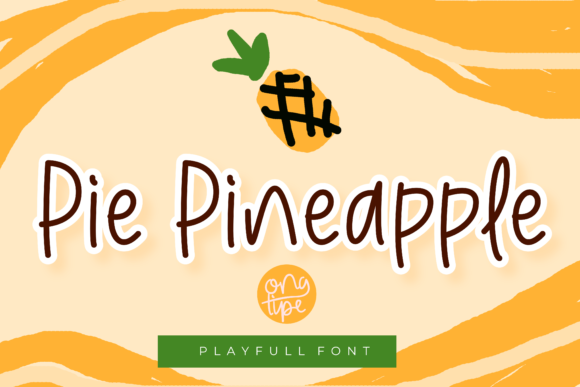
In the vast landscape of digital typography, finding a typeface that balances personality with functionality can be a challenging task. Many designers struggle to find a font that feels authentic without sacrificing readability or professional polish. This is where Pie Pineapple enters the conversation as a compelling option for creatives seeking a distinct visual voice. It is not merely another decorative script; it is a thin and cute handwritten font designed to bring warmth and approachability to any project.
Whether you are curating resources for a personal brand, designing educational materials, or creating marketing collateral for a lifestyle business, the right typography sets the tone before a single word is read. Pie Pineapple offers a unique aesthetic that stands out in crowded digital spaces. Its delicate strokes and playful character make it an incredibly asset to your fonts' library, possessing the potential to elevate any creation from standard to standout.
Understanding the Distinctive Character of Pie Pineapple
To evaluate whether a specific typeface fits your needs, one must first understand its core DNA. Pie Pineapple is defined by its "thin" weight and "cute" handwritten style. Unlike bold, blocky scripts that demand attention through sheer volume, this font commands presence through elegance and charm. The thin lines give it a lightness that prevents text-heavy layouts from feeling heavy or cluttered, while the handwritten nature introduces a human element that automated sans-serifs often lack.
The "cute" aspect of Pie Pineapple does not imply childishness. Instead, it suggests friendliness, approachability, and a touch of whimsy. This makes it particularly effective in contexts where building trust and emotional connection is paramount. When a user sees a font that mimics natural handwriting, they subconsciously perceive the content as more personal and less corporate. This psychological effect is a significant advantage for brands looking to humanize their digital footprint.
Furthermore, the versatility of Pie Pineapple lies in its subtlety. Because it is thin, it works well as a supporting element rather than a dominant headline in all-caps scenarios. It allows for intricate details in the letterforms that larger, bolder fonts might obscure. This level of detail contributes to a high-quality feel, suggesting that care was taken in the design process, which translates to perceived value in the final product.
How It Compares to Standard Script Options
When comparing Pie Pineapple to other options in the market, the distinction becomes clear when analyzing stroke width and mood. Many popular handwritten fonts fall into two extremes: those that are thick and messy, resembling marker scribbles, and those that are formal and calligraphic, resembling fountain pen ink.
- Thick Marker Fonts: These are excellent for headlines and posters but often fail in body text due to low legibility at smaller sizes. They can dominate a layout, pushing other elements away. Pie Pineapple avoids this pitfall with its refined thinness, allowing it to coexist harmoniously with other typefaces.
- Formal Calligraphy: While elegant, traditional calligraphic fonts can feel stiff or overly expensive. They may not suit modern, casual, or youthful branding. Pie Pineapple bridges this gap by offering elegance without the stiffness, maintaining a relaxed vibe that appeals to a broader demographic.
This middle-ground positioning makes Pie Pineapple a versatile tool. It does not force a specific narrative on the viewer but rather enhances the existing message with a gentle, inviting tone. For designers who need a font that can transition seamlessly from a blog post header to a wedding invitation, this balance is crucial.
Evaluating Strengths and Tradeoffs
No single font is a universal solution, and understanding the tradeoffs of using Pie Pineapple is essential for making an informed decision. Like any design resource, it has specific strengths and limitations that dictate where it shines and where it should be used with caution.
The primary strength of Pie Pineapple is its ability to add texture and emotion to flat designs. In an era where minimalist web design often results in sterile interfaces, a thin handwritten font can inject life and color without the use of graphics. It serves as a powerful visual anchor that draws the eye naturally. Additionally, its compatibility with various themes means it can adapt to different industries, from food blogs and artisanal crafts to wellness apps and boutique retail.
However, there are limitations to consider. The thinness of the font requires careful management regarding background contrast. On complex or busy backgrounds, the delicate lines of Pie Pineapple may become difficult to read. Similarly, because it is a stylistic choice, it may not convey authority in situations requiring strict seriousness, such as legal documents or financial reports. In these cases, a more neutral, robust typeface would be the appropriate choice.
Another factor is scalability. While it looks beautiful at medium to large sizes, extremely small text rendered in a thin handwritten style can suffer from pixelation or loss of character definition on lower-resolution screens. Designers must test the font across various devices to ensure it remains legible. If the goal is long-form reading, Pie Pineapple should likely be reserved for headings, pull quotes, or captions, while a highly readable serif or sans-serif handles the main body copy.
Best-Fit Situations for Pie Pineapple
Determining when to integrate Pie Pineapple into your workflow depends on the specific goals of the project. Here are several scenarios where this font proves to be an ideal asset:
- Social Media Graphics: Platforms like Instagram and Pinterest thrive on visual storytelling. A thin, cute font can make quotes, announcements, or product highlights stand out against colorful images without overwhelming them.
- Personal Branding: For freelancers, coaches, or influencers, establishing a personal connection is key. Using Pie Pineapple in logos, email signatures, or website headers reinforces a friendly, accessible persona.
- Educational Materials: Teachers and course creators often look for ways to make learning materials feel less rigid. This font can soften the look of worksheets, certificates, and presentation slides, making the content feel more engaging for students.
- Lifestyle and Craft Niches: Industries focused on baking, gardening, DIY projects, or handmade goods benefit greatly from the organic, handcrafted feel of a handwritten font. It aligns perfectly with the values of authenticity and creativity inherent in these sectors.
Making the Decision: Is It Right for You?
Ultimately, the decision to adopt Pie Pineapple into your toolkit should be driven by the specific needs of your audience and the message you wish to convey. If your project requires a sense of intimacy, playfulness, or artistic flair, this font is likely a strong contender. Its potential to elevate any creation stems from its ability to break the monotony of standard digital typography.
Conversely, if your work demands maximum clarity, speed of reading, or a strictly professional demeanor, you may find that other options serve you better. The key is to view fonts as tools within a broader system. Pie Pineapple excels when used strategically to complement other design elements rather than trying to do everything alone.
For those building a comprehensive fonts' library, investing in a unique piece like Pie Pineapple adds a layer of diversity that allows for more nuanced design choices. It provides a ready-made solution for moments when a project needs a spark of personality. By understanding its characteristics, strengths, and appropriate use cases, designers can leverage this thin and cute handwritten font to create work that resonates more deeply with their intended audience.
In conclusion, while the market offers countless typefaces, few manage to combine the delicate aesthetics of a thin stroke with the charming appeal of handwriting as effectively as Pie Pineapple. Whether you are a seasoned designer looking to refresh your portfolio or a beginner searching for a reliable asset, this font offers a practical yet distinctive addition to your creative arsenal. Its ability to enhance visual hierarchy and emotional tone makes it a valuable resource for anyone aiming to produce high-quality, memorable designs.