Likely Most: A Strategic Asset for Visual Communication
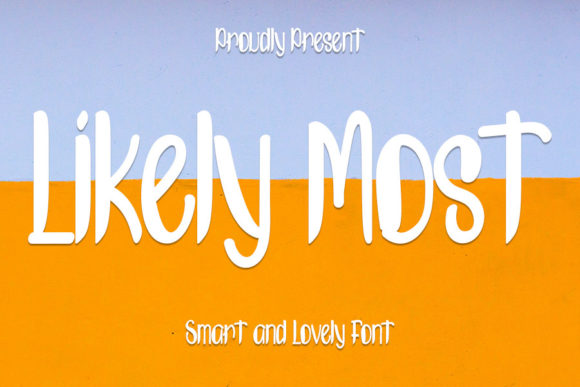
In the landscape of digital design and branding, typography is rarely just about aesthetics; it is a fundamental component of communication strategy. Likely Most represents a distinct departure from standard utility fonts, offering an extremely friendly and playful display character that demands attention while maintaining remarkable sleekness. For entrepreneurs, marketers, and creators aged 20 to 50 who are tasked with crafting compelling narratives, understanding when and how to deploy a typeface like Likely Most is crucial for achieving higher levels of engagement.
The decision to integrate this font into a project should not be driven by fleeting trends but by a clear understanding of its psychological impact on your audience. Its well-spaced architecture allows it to breathe, creating a sense of openness and approachability that can significantly alter the perceived tone of a brand or message. When used with intention, Likely Most serves as more than a decorative element; it acts as a strategic tool that elevates the quality of visual creations and supports long-term goals in positioning and customer experience.
The Strategic Value of Playful Typography
Many professionals hesitate to use display fonts because they fear appearing unprofessional or lacking seriousness. However, the modern consumer landscape rewards authenticity and approachability. Likely Most bridges the gap between corporate credibility and creative warmth. Its playful nature does not diminish authority; rather, it humanizes the brand, making complex ideas feel accessible and inviting.
For small business owners and freelancers, the ability to differentiate one's visual identity is paramount. In crowded marketplaces, a sleek and well-spaced font like Likely Most can provide the necessary "hook" that stops a user from scrolling past. It signals that the content creator cares about the details, suggesting a level of craftsmanship that translates into trust. When planning a rebrand or launching a new product, incorporating such a distinctive typeface can be a calculated move to position the offering as innovative and forward-thinking.
- Humanizing Data: Use Likely Most to present statistics or reports in a way that feels less intimidating and more engaging.
- Enhancing User Experience: The generous spacing improves readability on mobile devices, reducing cognitive load for the user.
- Building Brand Recall: A unique typographic voice helps users remember the brand long after they have left the page.
Aligning Font Choice with Planning and Goals
Effective decision-making in design requires aligning visual elements with broader organizational objectives. Before committing to Likely Most for a campaign, educators, publishers, and marketing teams must ask specific questions about their desired outcomes. Is the goal to inform, entertain, or inspire action? If the objective is to foster a community or encourage interaction, the friendly demeanor of Likely Most is highly effective.
Consider the context of your content. If you are producing educational materials for young adults or hobbyists, the playful yet sleek aesthetic of Likely Most can make learning feel less like a chore and more like an exploration. Conversely, if the goal is to convey urgent legal information or serious financial data, relying solely on this font without balancing it with neutral body text could undermine the gravity of the message. The key lies in strategic layering.
Planning for long-term results involves consistency. Once you decide to adopt Likely Most as a primary display font, it should become a recognizable pillar of your visual language. This consistency reinforces your brand's identity over time. However, this does not mean using it everywhere indiscriminately. Thoughtful application ensures that the font retains its impact and does not become background noise.
Practical Applications in Operations and Branding
Operational efficiency in design often comes down to making choices that reduce friction between the creator and the audience. Likely Most, with its remarkable sleekness, reduces visual clutter. This clarity supports productivity by allowing the message to stand out without competing against overly ornate or cramped letterforms.
For bloggers and publishers, the font offers a versatile solution for headlines, pull quotes, and section dividers. It can transform a standard blog post into a visually dynamic piece of content. When used in email marketing campaigns, the friendly tone can increase open rates and click-through rates by making the sender appear more personable. Small business owners can leverage this to build stronger relationships with local customers, creating a sense of familiarity and trust.
In the realm of customer experience, every touchpoint matters. From social media graphics to website headers, the consistent use of a well-spaced, friendly font creates a cohesive journey. It tells the customer that the brand is attentive to detail and values their comfort. This attention to detail is a hallmark of professional service and can be a decisive factor in customer retention.
Navigating Risks and Contextual Considerations
While the benefits of Likely Most are significant, there are risks associated with its misuse. The primary danger lies in applying a playful font to contexts that require absolute neutrality or gravitas. Using a display font designed for friendliness in a crisis communication plan or a formal annual report can send mixed signals, potentially damaging the organization's reputation.
Decision-makers must also consider the technical aspects of implementation. While Likely Most is sleek, it is still a display font. Over-reliance on it for body copy can lead to readability issues, especially at smaller sizes or on lower-resolution screens. The well-spaced nature of the font is best utilized for larger text blocks where its personality can shine without compromising legibility.
Another consideration is the risk of dilution. If a brand uses too many different display fonts across various platforms, the visual identity becomes fragmented. To avoid this, establish clear guidelines for when Likely Most should be used versus when a more traditional serif or sans-serif font is appropriate. This discipline ensures that the font remains a powerful accent rather than a chaotic element.
Guidelines for Intentional Usage
To ensure that Likely Most delivers value rather than distraction, follow these practical steps for integration:
- Define the Hierarchy: Reserve Likely Most for headlines, titles, and key call-to-action buttons. Let it guide the eye to the most important information.
- Pair Strategically: Combine Likely Most with a clean, neutral body font. This contrast highlights the playful nature of the display font while maintaining overall readability.
- Test Across Devices: Ensure that the spacing and sleekness of the font render correctly on all target devices, from desktop monitors to mobile phones.
- Maintain Consistency: Create a style guide that specifies usage rules to ensure all team members and partners adhere to the same standards.
Maximizing Creativity and Long-Term Results
Ultimately, the choice to use Likely Most is a creative decision with strategic implications. It allows creators to break free from the monotony of standard web fonts and inject personality into their work. For those in the creative industries, this flexibility is essential for staying competitive and relevant.
When approached thoughtfully, the font supports a narrative of innovation and approachability. It suggests that the brand is confident enough to be playful yet sophisticated enough to remain sleek. This balance is difficult to achieve but yields high returns in terms of audience engagement and brand loyalty.
By focusing on the specific needs of the audience and the goals of the project, designers and marketers can harness the power of Likely Most to create meaningful connections. Whether it is for a startup looking to make a splash, an educator seeking to engage students, or a professional aiming to refresh their portfolio, the right typographic choice can elevate the entire project. The result is not just a beautiful design, but a strategic asset that drives better decisions and achieves superior outcomes.
In conclusion, Likely Most is more than a font; it is a tool for intentional communication. Its friendly and playful character, combined with its sleek and well-spaced structure, makes it a valuable addition to any design toolkit. By understanding its strengths and limitations, professionals can use it to enhance their planning, strengthen their branding, and deliver exceptional experiences that resonate with their audiences.