Clash Font: The Ultimate Guide to Graffiti-Styled Bold Typography for Creative Projects
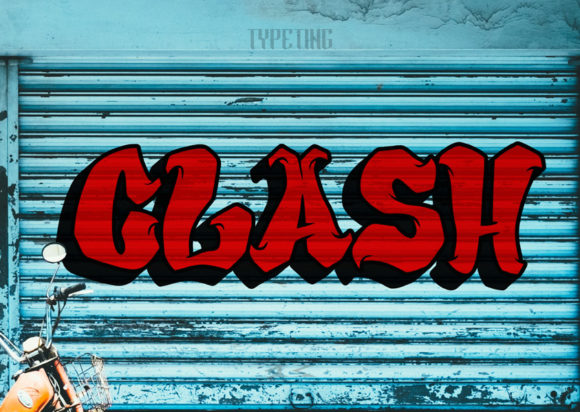
In the ever-evolving landscape of graphic design, finding a typeface that commands attention while maintaining authenticity is a challenge. Enter Clash, a graffiti-styled, cool, and bold display font that has quickly become a favorite among designers seeking to inject raw energy into their work. Unlike traditional serif or sans-serif fonts that prioritize readability above all else, Clash prioritizes attitude. It captures the essence of urban street art, translating the chaotic beauty of spray paint onto digital screens.
This article explores what makes Clash unique, why it appeals to a wide range of crafty ideas, and how you can leverage its distinctive aesthetic for everything from letterheads and titles to stationery. Whether you are a seasoned graphic designer or a beginner looking to spice up your next project, understanding the power of this original look is essential.
What Makes Clash Stand Out in Modern Design?
To understand the value of Clash, one must first appreciate the history of graffiti typography. Traditionally, graffiti was an underground movement, characterized by wildstyle letters, dripping paint, and aggressive outlines. When designers translate these elements into a functional font, they risk losing legibility. However, Clash strikes a perfect balance between artistic expression and usability.
The font is defined by its bold strokes and dynamic curves. It mimics the pressure of a hand holding a marker or a spray can, creating a sense of movement even when the text is static. This "cool" factor is not just about style; it is about emotion. When a user sees the word "Clash" on a poster, they immediately feel a sense of rebellion, creativity, and urgency.
- Visual Impact: The heavy weight of the characters ensures they pop off the screen or page, making them ideal for headlines where immediate engagement is required.
- Authentic Texture: While digital, the font retains the imperfections and rough edges associated with real-world graffiti, adding a layer of texture that flat fonts lack.
- Versatility: Despite its edgy appearance, the structure remains consistent enough to be used across various media without causing visual fatigue.
Practical Applications: From Digital Screens to Paper
One of the most common misconceptions about display fonts like Clash is that they are limited to specific niches, such as skateboarding brands or music festivals. In reality, the versatility of this graffiti-styled typeface allows it to fit into a wide spectrum of industries. Its ability to convey personality makes it a powerful tool for branding and communication.
Branding and Logo Design
For businesses aiming to appear youthful, innovative, or disruptive, a standard corporate font might feel too stiff. Using Clash in a logo can instantly reposition a brand. Imagine a coffee shop called "Urban Brew" using this font; the graffiti style suggests a community hub rather than a sterile chain. Similarly, tech startups focusing on gaming or social platforms often use bold, stylized fonts to signal that they are different from the status quo.
Titles and Headlines
In web design and editorial layouts, the headline is the hook. A title set in Clash acts as a visual anchor. Because the font is so distinct, it requires minimal decoration to stand out. You do not need complex backgrounds or drop shadows; the font itself does the heavy lifting. For example, a blog post titled "The Future of Street Art" would benefit immensely from the dynamic energy of this typeface.
Stationery and Letterheads
This is perhaps the most surprising application. Many designers assume that graffiti fonts are too informal for professional correspondence. However, when used correctly, they can create memorable stationery that leaves a lasting impression. A creative agency sending out a proposal on a letterhead featuring the Clash font signals confidence and artistic flair. It tells the recipient, "We think outside the box."
- Crafting Invitations: Use Clash for event invitations, particularly for concerts, art openings, or youth-oriented gatherings.
- Merchandise Design: Apply the font to t-shirts, tote bags, and stickers to create merchandise that feels authentic to street culture.
- Social Media Graphics: Create eye-catching posts for Instagram or TikTok where quick scrolling demands bold visuals.
Bridging the Gap: Creativity Meets Functionality
Why does Clash resonate so deeply with modern audiences? The answer lies in the human desire for connection and individuality. In a digital world saturated with uniform, clean-cut designs, a font with character feels refreshing. It breaks the monotony of the grid system that dominates modern UI/UX design.
However, there is a fine line between "edgy" and "unreadable." This is where the skill of the designer comes into play. To use Clash effectively, one must understand the principles of hierarchy. If every word on a page is set in Clash, the message gets lost. The font should be reserved for emphasis—titles, key phrases, or call-to-action buttons. By pairing Clash with a clean, neutral body font (like Helvetica or Open Sans), you create a harmonious contrast. The neutral font provides the clarity needed for reading, while Clash provides the excitement needed for engagement.
Common Misunderstandings About Graffiti Fonts
It is important to clarify that using a graffiti font does not mean abandoning professionalism. There is a misconception that "street style" equals "unprofessional." This is false. In the creative economy, professionalism is increasingly defined by the ability to tell a story and evoke emotion. A well-executed design using Clash demonstrates that the creator understands current trends and has the technical skills to execute them.
Another misunderstanding is that these fonts are only for English speakers. While Clash is designed primarily for the Latin alphabet, its stylistic influence can inspire cross-cultural design projects. The universal language of graffiti transcends borders, making it a relevant choice for international campaigns targeting younger demographics.
Integrating Clash into Your Workflow
For those ready to incorporate Clash into their projects, the process begins with selection and context. Most modern design software supports variable fonts, allowing you to adjust weight and slant dynamically. Experiment with these features to find the perfect balance between the "graffiti" look and the "readability" requirement.
Consider the medium you are designing for. On a large billboard, the rough edges of Clash will look crisp and impactful. On a small mobile screen, ensure that the kerning (spacing between letters) is adjusted so the letters do not touch awkwardly. Textured backgrounds can also enhance the effect; placing white text over a dark, gritty background can mimic the look of a wall covered in layers of paint.
Furthermore, consider the cultural context. Graffiti has deep roots in hip-hop culture and social activism. Using Clash responsibly means respecting these origins. Avoid using the font for serious topics like healthcare or legal services unless there is a very specific, ironic, or highly stylized reason to do so. Context is king; the font should always support the message, not contradict it.
The Future of Display Typography
As we move further into an era of personalized digital experiences, the demand for unique typefaces will only grow. Consumers are tired of cookie-cutter designs. They want brands that speak their language and reflect their values. Fonts like Clash represent a shift towards more expressive, human-centric design. They remind us that typography is not just about conveying information; it is about setting a mood.
The rise of social media platforms like TikTok and Instagram has accelerated this trend. Short-form video content relies heavily on visual hooks, and bold typography is one of the fastest ways to capture attention. Clash fits perfectly into this ecosystem, offering a look that is native to the digital age while paying homage to analog roots.
Conclusion: Embrace the Boldness
In summary, Clash is more than just a font; it is a statement. Its graffiti-styled, cool, and bold nature makes it an invaluable asset for anyone looking to break away from the mundane. From crafting unique letterheads and titles to designing vibrant stationery, the possibilities are endless. By understanding how to wield this tool effectively, designers can create work that is not only visually striking but also emotionally resonant.
Whether you are launching a new business, redesigning a website, or simply experimenting with your own creative ideas, Clash offers a pathway to stand out. Remember to use it with intention, pair it wisely with other typefaces, and always keep your audience's needs in mind. When done right, the result is nothing short of spectacular—a true clash of styles that creates harmony.