Holland: The Bold, Quirky Display Font for Creative Projects
In a digital landscape saturated with clean, minimalist sans-serifs and predictable modern typefaces, finding a voice that truly stands out can feel like shouting into a void. This is where Holland steps in. It is not merely a collection of glyphs; it is a statement piece designed to grab attention immediately. With its cool, trendy aesthetic and thick lettered structure, this font brings an undeniable sense of personality to any canvas. Whether you are crafting a children's game, designing a book cover, or building a brand identity that refuses to be ignored, Holland offers the visual weight and quirkiness required to cut through the noise.
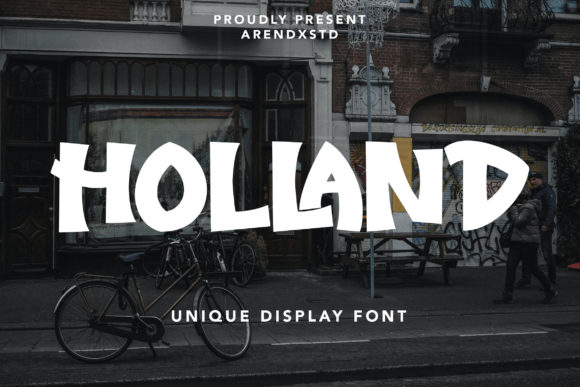
The visual characteristics of this typeface are defined by its substantial presence. Unlike delicate scripts or thin geometric fonts, Holland commands space. Its thick strokes create a bold silhouette that feels both retro and contemporary simultaneously. This duality makes it incredibly versatile for projects that need to balance nostalgia with modern appeal. The letters are constructed with a playful irregularity that prevents them from feeling stiff or corporate, yet they maintain enough structural integrity to remain legible even at large sizes. It is the kind of premium font that suggests confidence without needing to shout.
Where Holland Shines in Real-World Design
Understanding the right context for a display font is just as important as knowing how to pair it. Holland excels in scenarios where the goal is to evoke emotion, humor, or high energy. For designers working on cartoon-related designs, the font's natural whimsy aligns perfectly with animated characters and comic book aesthetics. The thick lines hold up well against colorful illustrations, ensuring that text remains a focal point rather than getting lost in the artwork.
Children's games and educational materials benefit significantly from this style. The rounded, approachable nature of the letters makes content feel inviting to younger audiences, while the boldness ensures readability on small screens or printed cards. Similarly, for creators making quotes, titles, or posters, Holland provides a dramatic flair that turns simple words into memorable headlines. A motivational quote set in this typeface doesn't just inform; it inspires with a touch of theatricality.
In the realm of branding, Holland serves as a powerful tool for entrepreneurs and small business owners looking to differentiate themselves. When used for brand names or logo design, it signals a company that is fun, creative, and unafraid to break the rules. Think of craft breweries, boutique toy stores, or independent publishers who want their packaging design to pop off the shelf. The font's unique character helps establish immediate recognition, creating a distinct visual identity that competitors cannot easily replicate.
- Packaging Design: Use it for product labels where you need to convey quality with a playful twist.
- Social Media Graphics: Create eye-catching posts that stop the scroll with bold, thematic headers.
- Web Design: Implement it as a hero font for landing pages to set a specific tone immediately.
- Editorial Design: Apply it to magazine covers or chapter headings to add a touch of editorial flair.
Elevating Brand Perception and Audience Engagement
The choice of typography does more than fill space; it influences how an audience perceives your message. Holland, with its quirky and thick profile, shifts the psychological tone of a project. It moves away from the sterile professionalism of standard corporate fonts and introduces an element of human connection. When users encounter this font, they subconsciously register a sense of fun and approachability. This can lead to higher engagement rates, particularly in marketing campaigns targeting adults 20–50 who appreciate creativity and authenticity over rigid formality.
Visual hierarchy is another critical area where this font adds value. Because of its heavy weight and distinctive shape, Holland naturally draws the eye first. In a layout containing body text, images, and secondary information, using Holland for primary titles creates a clear path for the viewer's gaze. This ensures that your most important message is received instantly. However, this power comes with responsibility. Overusing a display font can dilute its impact, so strategic placement is key to maintaining professional standards.
For publishers and content creators, consistency is vital for building trust. While Holland is a creative font, it maintains a consistent internal logic across its character set. This consistency allows it to be used repeatedly across different media—from a blog post header to a physical book cover—without losing its cohesive identity. When paired correctly, it reinforces the brand's voice, making the entire communication strategy feel unified and intentional.
Practical Guidance for Implementation
Selecting the right typeface involves more than just liking the look of the letters. Before downloading or purchasing a commercial font like Holland, it is essential to evaluate its fit within your specific project constraints. Start by reviewing the included styles. Does the family offer enough variations, such as italics, condensed versions, or alternate characters? Having a robust set of design assets ensures you have the flexibility to adapt the font to various layout challenges without compromising the design.
One of the most common mistakes designers make is attempting to use a thick display font for body text. Holland is strictly a display typeface; it is not intended for long-form reading. To achieve excellent readability, you must pair it with a complementary serif or sans-serif font for the smaller text. A clean, neutral sans-serif can provide the necessary contrast, allowing the Holland headers to shine while keeping paragraphs easy to digest. Testing these combinations is crucial. Print out mockups or view them on actual devices to ensure the scale and spacing work harmoniously.
Licensing is another practical consideration that often gets overlooked. Ensure that your intended use falls within the terms of the commercial license. If you are creating a logo for a client or producing merchandise, you may need an extended license. Always review the legal documentation provided with the font download to avoid future complications. Understanding the scope of usage protects both the designer and the end client.
Finally, consider the emotional resonance of the font. Ask yourself if the "quirkiness" of Holland aligns with the core values of your project. If the goal is to communicate reliability and seriousness, a thinner, more traditional typeface might be better. But if the objective is to spark joy, encourage playfulness, or highlight a unique story, Holland is likely the perfect match. By focusing on real-world application and thoughtful pairing, you can leverage this cool, trendy font to create designs that are not only visually striking but also deeply effective.