Brick Wall: A Bold Typeface for High-Impact Design
In the crowded landscape of digital and print media, typography often serves as the silent ambassador for a brand's identity. Among the myriad of typefaces available, Brick Wall stands out not merely as a collection of characters, but as a distinct visual statement. This bold and assertive display font is engineered to command attention, offering a sharp, cool aesthetic that resonates particularly well with industries requiring strength, stability, and direct communication.
Designers and marketers frequently struggle to find fonts that balance aggressive styling with professional legibility. Brick Wall addresses this challenge by providing a structural integrity that mimics the solidity of masonry while maintaining the fluidity required for modern design workflows. Whether you are crafting a campaign for a major sporting event or establishing a rugged brand identity for a small business, understanding the specific utility of this typeface is essential for creating effective visual hierarchies.
Defining the Characteristics of Brick Wall
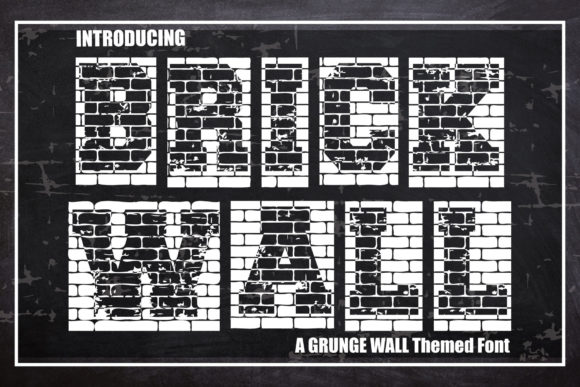
The primary appeal of Brick Wall lies in its geometric precision and heavy weight. Unlike rounded sans-serifs that soften a message, this font leans into angularity and density. The letterforms are constructed with thick strokes and minimal negative space, creating a solid block of text that feels immovable. This "sharp looking" quality is not accidental; it is a deliberate design choice intended to convey reliability and power.
When analyzing the font's structure, one notices a consistent rhythm across the alphabet. The uppercase letters are designed to function as standalone headlines, where their sheer presence dominates the layout. The lowercase counterparts, while still robust, offer enough contrast to ensure readability when used in subheadings or supporting text. This duality allows designers to maintain a cohesive look without sacrificing clarity.
The "cool" factor mentioned in its description stems from its modernist roots. It avoids the ornate details of traditional serif fonts or the playful curves of many novelty typefaces. Instead, it offers a utilitarian beauty that fits seamlessly into contemporary design trends. For professionals who need to project an image of competence and authority, Brick Wall provides a visual shorthand that speaks volumes before a single word is read.
Strengths in Sports and Action-Oriented Contexts
The prompt suggests using this font for sports-related designs, and the rationale is immediately apparent. Sports branding relies heavily on energy, competition, and physical prowess. Brick Wall embodies these traits through its unyielding form. Imagine a jersey number, a stadium banner, or a promotional poster for a marathon; the heavy weight of the letters mirrors the intensity of the athletes wearing them.
- Visual Impact: In fast-paced environments like social media feeds or broadcast graphics, the high contrast of Brick Wall ensures the message cuts through visual noise.
- Emotional Resonance: The font evokes feelings of endurance and resilience, making it ideal for fitness brands, outdoor gear companies, and team logos.
- Scalability: Because of its bold nature, the typeface remains legible even at very large sizes, such as billboards, or when scaled down for mobile applications.
However, the versatility of Brick Wall extends beyond athletics. Any industry that values durability—construction, logistics, automotive, or security services—can leverage this font to reinforce their core values. The font acts as a visual anchor, grounding the design in a sense of permanence.
Practical Application and Usability
For freelancers, entrepreneurs, and content creators, the usability of a font is just as critical as its aesthetic appeal. Brick Wall demonstrates reliability across various mediums. Its vector-based construction (assuming standard font file formats) ensures crisp rendering on high-resolution screens and sharp output in print. There is no ambiguity in how the letters should appear, which reduces the risk of errors during the production process.
When integrating Brick Wall into a workflow, consistency is key. Because the font is so dominant, it should be used strategically rather than ubiquitously. Overusing a display typeface can lead to visual fatigue, diminishing its impact over time. The most effective approach is to reserve Brick Wall for headlines, call-to-action buttons, and key data points, pairing it with a lighter, more neutral sans-serif for body copy.
This combination creates a balanced composition. The heavy headline draws the eye in, while the lighter body text guides the reader through the information. This hierarchy is crucial for engagement. If every element of a design screams for attention, nothing does. By using Brick Wall selectively, designers can control the viewer's journey through the content.
Navigating Limitations and Best Practices
No tool is without its limitations, and Brick Wall is no exception. Its assertive nature means it is ill-suited for formal, delicate, or intimate contexts. Using this font for a wedding invitation, a financial report, or a medical advisory would likely clash with the intended tone of the message. It lacks the subtlety required for nuanced storytelling.
Furthermore, kerning—the spacing between individual letters—requires careful attention. In some display fonts, tight spacing can cause letters to visually merge, especially in all-caps settings. While Brick Wall is generally well-engineered, designers must verify the spacing in different contexts. Testing the font at various sizes and weights is a necessary step to ensure that the "sharp" edges do not compromise legibility.
Another consideration is accessibility. High-contrast, heavy fonts can sometimes be challenging for users with certain visual impairments if not paired correctly. Ensuring sufficient contrast ratios against the background color is vital. When used responsibly, however, the clear distinction between the strokes and the counter spaces of Brick Wall actually aids in quick recognition.
Evaluating Long-Term Value for Creators
Investing in a font family involves considering its longevity. Trends in typography shift rapidly, yet the demand for strong, structural typefaces remains constant. Brick Wall taps into a timeless aesthetic that prioritizes function and form. This makes it a valuable asset for professionals who build long-term brands.
For bloggers and publishers, having a distinctive font available can help establish a unique voice. In a sea of generic templates, the use of Brick Wall signals confidence. It tells the audience that the content is substantial and worth reading. For educators and small business owners, this level of professionalism can enhance credibility and trust.
The "endless possibilities" mentioned in the font's description are realized through creative experimentation. Designers can manipulate the weight, apply textures, or combine it with photographic elements to create dynamic compositions. The font serves as a foundation upon which complex ideas can be built. Whether it is a logo concept, a website header, or a marketing brochure, the adaptability of Brick Wall supports a wide range of creative visions.
Who Should Consider Brick Wall?
Determining whether this font fits your needs depends largely on your target audience and project goals. Brick Wall is particularly beneficial for:
- Sports Marketers: Those looking to energize campaigns for teams, leagues, or athletic events.
- Brand Strategists: Professionals rebranding businesses that want to emphasize strength, heritage, or industrial capability.
- Freelance Designers: Individuals seeking a versatile tool to add punch to client presentations and proposals.
- Content Creators: Bloggers and YouTubers who need to stand out in thumbnail images and cover art.
If your work requires a soft, approachable, or whimsical tone, this font may not be the right fit. However, if your goal is to make a statement, assert authority, and inspire action, Brick Wall offers a compelling solution. It is a tool that demands respect, and in return, it commands the attention of your audience.
Ultimately, the value of Brick Wall lies in its ability to translate abstract concepts of strength and stability into concrete visual forms. For those willing to wield it with skill and intention, it opens up a world of design opportunities that go far beyond simple text placement. By understanding its characteristics and respecting its limitations, creators can harness the full potential of this bold typeface to elevate their projects.