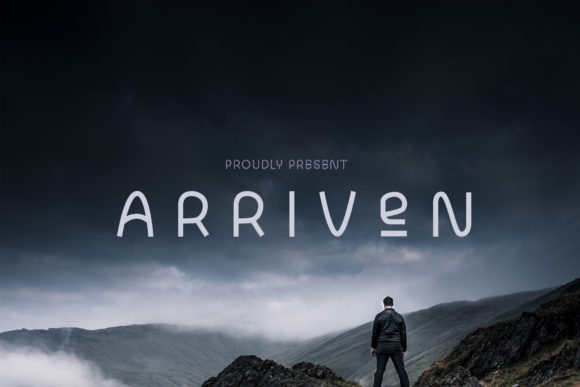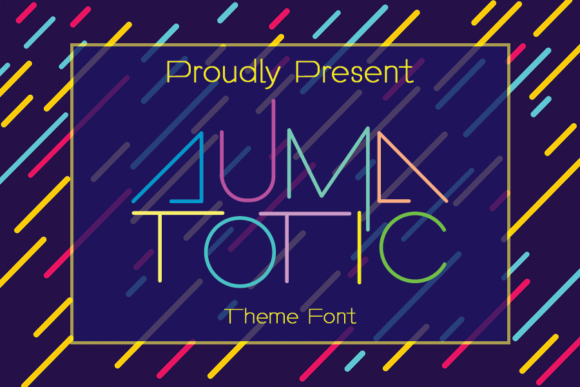
Automatic: A Modern Approach to Minimalist Typography
In the vast landscape of digital and print design, selecting the right typeface is often a decision that defines the entire visual identity of a project. For professionals seeking a solution that balances modern aesthetics with functional clarity, Automatic stands out as a compelling choice. This thin, modern, and minimalist display font offers a distinct character that can elevate web designs, business cards, and various other media requiring a unique touch.
Unlike traditional serif or heavy sans-serif fonts that dominate many corporate identities, Automatic brings a sense of lightness and sophistication. Its design philosophy centers on reducing visual noise while maintaining legibility, making it an excellent candidate for projects where space is at a premium or where a clean, uncluttered look is paramount. Understanding the nuances of this font helps designers make informed decisions about when to deploy it and how to integrate it effectively into broader design systems.
Defining the Character of Automatic
The core appeal of Automatic lies in its specific geometric construction and its deliberate thinness. As a display font, it is engineered to be read at larger sizes, where its fine strokes and open counters can be appreciated without sacrificing readability. The "thin" classification does not imply fragility; rather, it suggests a refined elegance that commands attention through subtlety rather than volume.
This minimalist approach aligns well with contemporary design trends that favor negative space and clarity. When used correctly, the font creates a sense of breathing room within a layout. It allows content to stand on its own merits without competing against heavy typographic elements. The unique touch provided by Automatic comes from its ability to convey a sense of precision and modernity, traits that are highly valued in tech, fashion, and lifestyle sectors.
However, the very features that make it distinctive also dictate its limitations. Because it is a display font, it is generally not intended for body text in long-form reading scenarios. The thin weight requires sufficient contrast and size to remain visible on all devices. Designers must consider the viewing context carefully, ensuring that the font's delicate lines do not disappear on low-resolution screens or in poor lighting conditions.
Visual Impact and Readability
The interplay between stroke width and letter spacing in Automatic creates a rhythm that feels both structured and fluid. This makes it particularly effective for headlines, logos, and cover art where immediate visual impact is necessary. The font's ability to carry a brand message with minimal visual clutter is a significant advantage in a world saturated with information.
Yet, this same characteristic means that Automatic requires careful pairing. It rarely works well in isolation for complex layouts. To achieve a balanced composition, it often needs to be paired with a more robust, heavier typeface for secondary information. This combination allows the designer to leverage the elegance of Automatic for primary messaging while ensuring the overall piece remains grounded and accessible.
Evaluating Fit: Strengths and Tradeoffs
When evaluating any typeface, it is essential to weigh its strengths against its potential tradeoffs. Automatic excels in creating a premium feel. Its minimalist nature strips away unnecessary decoration, allowing the form of the letters themselves to become the focal point. This is particularly beneficial for brands that want to communicate transparency, innovation, or high-end quality.
- Strengths: High aesthetic appeal, excellent for headlines, creates a modern and sophisticated atmosphere, versatile across digital and print media.
- Tradeoffs: Limited legibility at small sizes, may appear too faint on certain backgrounds, requires precise kerning adjustments.
The decision to use Automatic involves a clear understanding of these factors. If a project demands a font that can handle dense blocks of text or function as a reliable workhorse for navigation menus, Automatic might not be the most practical choice. Conversely, if the goal is to create a striking first impression or to define a specific mood, its advantages become immediately apparent.
One critical consideration is the medium of delivery. On high-resolution displays, such as Retina screens or large format prints, the thin strokes of Automatic render beautifully. However, on older mobile devices or in low-contrast environments, the font may struggle. Designers must test their usage scenarios thoroughly before committing to a final design. This due diligence ensures that the unique touch of the font is preserved rather than lost to technical limitations.
Contextual Suitability
The suitability of Automatic often depends on the industry and the specific message being conveyed. In sectors like architecture, interior design, or luxury retail, the font's clean lines resonate well with the target audience's expectations. These industries often prioritize form and function, and Automatic bridges that gap effectively.
In contrast, for industries that rely on trust and stability, such as finance or healthcare, the extreme thinness might be perceived as lacking authority. In these cases, a heavier weight or a more traditional serif might be more appropriate. The key is to align the typography with the brand's values and the user's expectations. Automatic is not a one-size-fits-all solution; it is a specialized tool that shines in the right hands and contexts.
Navigating Alternatives and Comparable Options
No single font exists in a vacuum. When considering Automatic, it is helpful to understand how it compares to similar options in the market. Many designers explore alternatives based on specific criteria such as weight, style, or licensing. While there are numerous thin sans-serif fonts available, Automatic distinguishes itself through its specific geometric proportions and its dedicated display focus.
Some users might look toward standard geometric sans-serifs for a similar effect. These alternatives often offer greater versatility across different weights and styles, making them safer bets for comprehensive branding projects. However, they may lack the unique personality that Automatic provides. The distinction lies in the "unique touch" mentioned in the font's description—a subtle variation in letterforms that sets it apart from generic, mass-market options.
Other comparable resources include custom hand-drawn scripts or highly stylized display fonts. While these offer creativity, they often sacrifice the clean, modern aesthetic that Automatic maintains. Automatic sits in a sweet spot between rigid geometry and organic flair, offering a balance that appeals to a wide range of modern design sensibilities.
When comparing tools and resources, it is also worth noting the ecosystem surrounding the font. Does it come with a full suite of weights? Is it optimized for web performance? These practical considerations often influence the final decision. Automatic's value proposition is strongest when it is part of a cohesive design system that leverages its specific strengths.
Making the Right Choice
Selecting the right typography is ultimately a strategic decision. For those exploring options, the question should not just be "what looks good?" but "what serves the purpose best?" If the project requires a font that can handle diverse applications from web headers to printed brochures, Automatic might need to be supplemented with additional typefaces.
For projects focused on impact and style, however, Automatic is often the superior choice. Its ability to convey a message with minimal visual interference is a powerful asset. By understanding the nuances of this font and its place among similar options, designers can make choices that enhance their work rather than detract from it.
Ultimately, the success of using Automatic depends on thoughtful application. Whether designing a business card that needs to stand out in a stack or a website header that needs to capture attention instantly, this font offers a reliable path to a modern, minimalist aesthetic. It is a resource that rewards careful planning and creative vision, providing a unique touch that elevates the overall quality of the design.
As you evaluate your next project, consider whether the goals align with the characteristics of Automatic. If the aim is to create something fresh, elegant, and distinctly modern, this font warrants serious consideration. By balancing its strengths with a realistic view of its limitations, you can ensure that your typography choices support your broader design objectives effectively.