Victorian Alphabets C: A Timeless Display Font for Modern Design
In a digital landscape saturated with generic sans-serifs and utilitarian typefaces, finding a font that commands attention without sacrificing readability is a persistent challenge. Victorian Alphabets C emerges as a compelling solution for designers seeking to inject historical gravitas into contemporary projects. This is not merely a decorative script; it is a meticulously crafted display typeface that bridges the gap between 19th-century opulence and modern aesthetic sensibilities. Its distinct character sets it apart from the standard library of fonts available on most design platforms.
The primary value of Victorian Alphabets C lies in its ability to evoke a specific atmosphere instantly. When placed correctly, it transforms a flat layout into a narrative experience. Whether used for a boutique hotel's branding, a vintage-inspired wedding invitation, or a high-end editorial header, this font serves as a visual anchor. It suggests craftsmanship, heritage, and a level of detail that modern minimalism often overlooks. For professionals looking to differentiate their work, adding this typeface to your toolkit offers a strategic advantage in creating memorable visual identities.
Defining the Character of Victorian Alphabets C
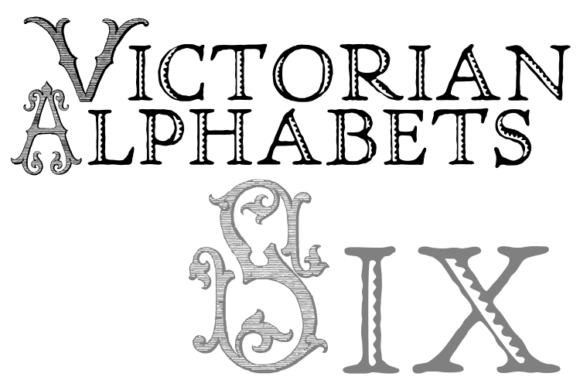
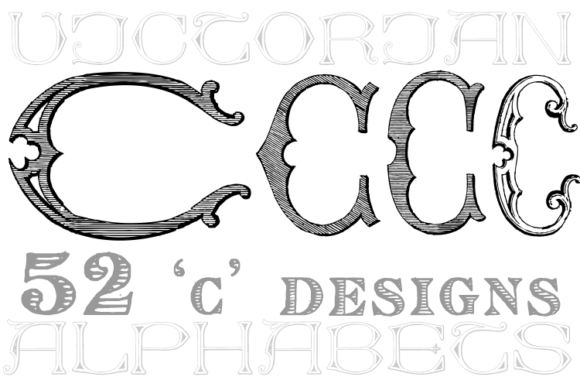
To understand the utility of Victorian Alphabets C, one must first analyze its structural DNA. The typeface draws heavily from the ornate lettering styles popular during the Victorian era, characterized by elaborate flourishes, sharp serifs, and varying stroke widths. However, unlike many historical revivals that can feel stiff or overly complex, this version maintains a balance between intricacy and legibility.
- Ornamental Flourishes: The letters feature delicate swashes and intricate detailing that mimic hand-carved signage or lithographic prints from the late 1800s. These elements are not random; they follow a consistent rhythm that guides the eye across the text.
- Contrast and Weight: There is a pronounced contrast between thick downstrokes and thin upstrokes. This variation creates a dynamic texture that adds depth to headlines, making them stand out against both white backgrounds and complex imagery.
- Elegant Distinctiveness: Each glyph possesses a unique personality. The capital letters, in particular, are designed to be the focal point of any composition, offering a sense of grandeur that simpler fonts cannot achieve.
This combination of features makes Victorian Alphabets C an incredibly cool and classic display font. It is elegant and distinct, ensuring that any project utilizing it will immediately convey a sense of sophistication. The design avoids the cluttered look common in other "gothic" or "vintage" fonts, opting instead for a refined approach that feels curated rather than chaotic.
Practical Applications and Real-World Performance
While the aesthetic appeal of Victorian Alphabets C is undeniable, its true worth is measured by how it performs in real-world scenarios. Designers often struggle with fonts that look good in isolation but fail when integrated into a broader layout. Fortunately, this typeface demonstrates remarkable versatility across various mediums.
In print media, such as magazine covers, book titles, or packaging, the font excels. The high level of detail holds up well at large sizes, allowing the viewer to appreciate the fine lines and curves. For example, a luxury skincare brand might use this font for its product name to suggest natural ingredients and artisanal production methods. The typography reinforces the message before the consumer even reads the copy.
Digital applications also benefit from its presence, though with specific caveats. On websites, Victorian Alphabets C is best reserved for hero headers, logos, or pull quotes. Using it for body text would be counterproductive due to the density of the details, which can cause eye strain over long reading sessions. However, when used sparingly for emphasis, it breaks up the monotony of standard web typography effectively.
- Branding and Logos: The distinct shapes of the capitals make them ideal for logo creation, particularly for businesses in hospitality, fashion, or arts.
- Event Materials: Wedding invitations, concert posters, and gala programs gain a touch of formality and timelessness when this font is employed.
- Social Media Graphics: In an era of fleeting content, a bold, ornate headline can stop the scroll. The font provides the visual weight needed to capture attention quickly.
The consistency of the kerning and spacing in Victorian Alphabets C ensures that text blocks look professional and polished. There is no need for excessive manual adjustment to fix awkward gaps between letters, which saves valuable time in the workflow. This reliability is crucial for freelancers and agencies working under tight deadlines who cannot afford to spend hours tweaking individual glyphs.
Audience Fit and Strategic Usage
Who benefits most from integrating Victorian Alphabets C into their projects? The answer depends largely on the target audience and the desired emotional response. This font resonates strongly with demographics that appreciate history, tradition, and quality. It appeals to adults aged 30 to 50 who may have a nostalgia for classic design or a desire for something more substantial than current trends.
For entrepreneurs and small business owners, using this font can signal stability and trustworthiness. A law firm, a historic bed and breakfast, or a specialty coffee roaster could leverage the font's heritage to build credibility. It tells the customer that the business values longevity and attention to detail.
However, there are situations where this font is less appropriate. Startups aiming for a futuristic, tech-forward image, or brands targeting Gen Z with a focus on raw, unpolished aesthetics, should likely avoid it. The ornate nature of Victorian Alphabets C can clash with ultra-modern or minimalist brand guidelines. It requires a certain level of contextual harmony to work effectively. If the surrounding imagery is too busy or the color palette is jarring, the font can become overwhelming rather than elevating.
Furthermore, educators and publishers dealing with historical content will find this typeface invaluable. It provides an authentic visual language that aligns with the subject matter, enhancing the educational value of textbooks or articles about the 19th century. By matching the typography to the content, these creators ensure a cohesive learning experience.
Quality, Usability, and Long-Term Value
When evaluating Victorian Alphabets C, several factors contribute to its overall quality and usability. The construction of the characters is robust, meaning the file formats are optimized for both screen and print. This dual-purpose capability is essential for modern designers who need assets that perform seamlessly across different channels. The rendering remains crisp at various resolutions, preventing the blurring or pixelation that can ruin the effect of detailed typefaces.
The flexibility of the font is another key strength. While it is primarily a display font, its stylistic alternates (if included in the family) allow for subtle variations that can prevent repetition in longer documents. Designers can mix and match different character forms to create unique compositions without losing the core identity of the typeface. This adaptability ensures that the font does not feel repetitive or stale after repeated use.
From a long-term perspective, investing in Victorian Alphabets C offers enduring value. Unlike trendy fonts that may fall out of favor within a few years, classic styles tend to have a longer shelf life. The Victorian aesthetic has remained relevant for centuries because it speaks to fundamental human appreciation for beauty and order. By incorporating this font into a brand identity, creators future-proof their designs against short-lived fads.
It is important to acknowledge potential limitations. The ornate style demands a clean background to shine. Placing it over a textured or photographic background without sufficient contrast can obscure the details. Additionally, accessibility considerations must be taken into account. For users with visual impairments, the high level of detail might reduce legibility at smaller sizes. Therefore, responsible usage involves pairing it with highly readable sans-serif or serif body text to ensure inclusivity.
Final Recommendations for Integration
To get the most out of Victorian Alphabets C, designers should approach it with confidence and intention. Do not treat it as a throwaway decoration; treat it as a foundational element of your visual strategy. Add it confidently to your projects, and you will love the results, provided you respect its historical roots and structural complexity.
Start by testing the font in your specific context. Create mockups for your intended medium—be it a website banner, a business card, or a poster. Evaluate how it interacts with your existing color palette and imagery. If the combination feels harmonious and the message is clear, you have found the right tool for the job. If the design feels cluttered, try reducing the size or increasing the negative space around the text.
The goal is to create a balanced composition where the typography supports the content rather than competing with it. When executed correctly, Victorian Alphabets C elevates creations by adding a layer of sophistication and timelessness that is difficult to replicate with other tools. It is a resource that rewards careful consideration and pays dividends in the form of a more impactful, memorable design.
For those willing to explore beyond the standard fare, this font represents an opportunity to craft something truly distinctive. Whether you are a seasoned professional or a serious hobbyist, the addition of Victorian Alphabets C to your collection can open new avenues for creative expression. It stands as a testament to the enduring power of well-designed typography to communicate emotion, status, and style.