Heavy Brush: The Bold Display Font for Urban Design
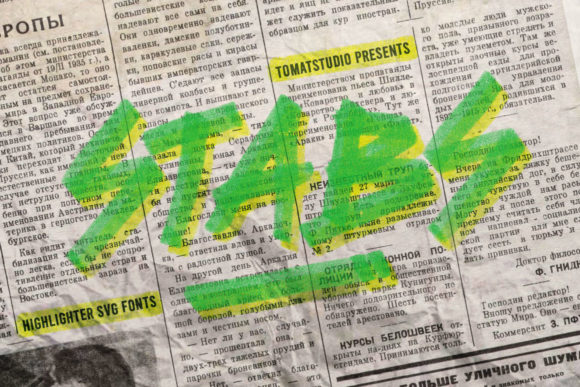
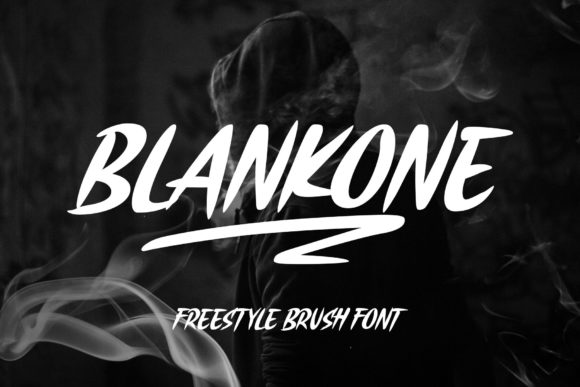
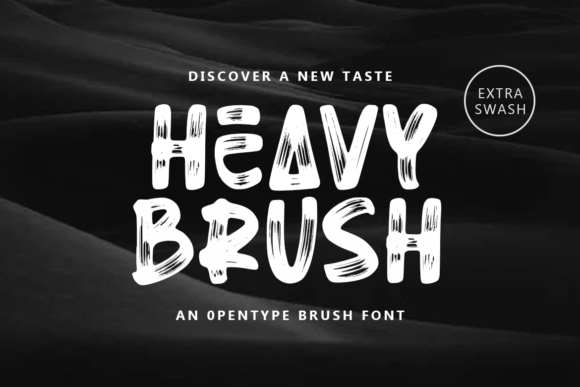
Imagine a font that doesn't just sit on the page but commands attention. Heavy Brush is exactly that—a cool and bold display typeface designed to inject immediate energy into any visual project. It isn't merely a collection of letters; it is a statement piece that mimics the raw, unfiltered texture of a paintbrush hitting concrete or canvas. When you need your work to look catchy and trendy, this font offers a unique solution that bridges the gap between professional typography and street art aesthetics.
The beauty of Heavy Brush lies in its versatility. While it might seem like a niche choice for specific graphic designers, its impact resonates across a wide spectrum of users. Whether you are a small business owner trying to stand out on social media, an educator creating engaging classroom materials, or a hobbyist making custom t-shirts, the right font can transform a mundane design into something memorable. This guide explores how different people can leverage this tool to meet their specific goals without getting lost in technical jargon.
What Makes Heavy Brush Unique?
At its core, Heavy Brush is defined by its weight and character. Unlike standard sans-serif fonts that offer clean lines and uniformity, this typeface features thick strokes with organic edges. These irregularities simulate the natural flow of ink or acrylic paint, giving the text a handcrafted feel even when generated digitally. This characteristic makes it ideal for urban or street designs where authenticity and grit are valued over perfection.
For creators looking to evoke a sense of movement or rebellion, the font provides a visual shorthand. It instantly communicates that the content is modern, edgy, and perhaps a bit unconventional. The "catchy" nature mentioned in its description comes from this high-contrast appearance. In a digital landscape filled with generic templates, Heavy Brush breaks the monotony. It draws the eye because it looks like it was made by a human hand, adding a layer of personality that automated systems often miss.
Perspectives from Beginners and Hobbyists
For those new to design, the priority is often ease of use and immediate results. You don't want to spend hours tweaking kerning or adjusting stroke widths to make a logo look good. Heavy Brush solves this problem by offering high impact with minimal effort. Because the letterforms are so distinct, they carry the design on their own. A beginner can drop this font into a flyer or a YouTube thumbnail, and the result will likely look professional simply due to the strength of the typeface.
Hobbyists who create DIY projects also find value here. Consider someone making custom stickers, scrapbooking, or designing party invitations with a graffiti theme. The font's ability to mimic brush strokes adds a tactile quality to digital files. It allows non-designers to achieve a look that previously required advanced software skills or actual painting abilities. The learning curve is low, but the creative payoff is high, encouraging experimentation without the fear of producing something boring.
Strategic Use for Entrepreneurs and Small Business Owners
For entrepreneurs and marketers, the conversation shifts from "how do I make this look cool?" to "will this convert viewers?" In the crowded marketplace of today, capturing attention within seconds is critical. Heavy Brush serves as a powerful tool for branding, particularly for businesses in the fashion, food truck, gym, or music industries. These sectors often align with the energetic vibe the font projects.
When used strategically, this font can enhance commercial value. A coffee shop using Heavy Brush for its menu board or Instagram stories signals a hip, local atmosphere that appeals to younger demographics. However, the key for business owners is balance. While the font is excellent for headlines, logos, and call-to-action buttons, it should generally be avoided for long paragraphs of body text. Its boldness can become visually exhausting if overused. Smart entrepreneurs know to pair it with a clean, simple sans-serif for readability, creating a dynamic contrast that guides the customer's eye effectively.
Educators and Content Creators
Teachers and educators face the challenge of keeping students engaged in a world full of distractions. Using Heavy Brush in lesson plans, presentation slides, or classroom posters can reinvigorate learning materials. The font's playful yet serious tone works well for subjects ranging from art history to physical education. It helps break the monotony of standard educational templates.
Content creators, including bloggers and vloggers, also benefit from the font's trendiness. When updating a blog post about urban culture or reviewing streetwear, incorporating Heavy Brush into headers creates a cohesive narrative. It tells the reader, "This content is relevant to current trends." For video editors, using this font in lower-thirds or title cards ensures that videos stand out in a feed dominated by polished, corporate-style graphics. The goal is to build a recognizable style that audiences associate with the creator's brand identity.
Professional Considerations and Flexibility
Experienced designers approach Heavy Brush with a focus on flexibility and quality control. They understand that while the font is impressive, it requires careful integration. Professionals evaluate tools based on reliability and how well they fit into a larger system. Does the font family include multiple weights? Are the ligatures and special characters necessary for complex layouts?
In professional settings, the priority is often long-term usefulness. A font that is too trendy might date quickly, but Heavy Brush has a timeless element rooted in the classic tradition of brush lettering. This gives it staying power beyond fleeting fads. Designers might use it to create textures, overlay effects, or as a foundational element for more complex typographic compositions. The decision to use it depends on whether the project demands a "street" aesthetic or if a more subtle approach is needed.
Making the Right Choice for Your Project
Ultimately, deciding whether to use Heavy Brush comes down to matching the tool to the task. If your goal is to create a calm, serene experience, such as for a spa website or a financial report, this font would likely clash with the intended message. However, if you are aiming for high energy, creativity, and a bold visual statement, it is an outstanding choice.
- Check your audience: Will your target demographic respond to an urban, edgy style?
- Consider the medium: Is this for a large banner, a mobile screen, or print material?
- Balance the design: Pair the bold font with ample white space and complementary typography.
- Test for readability: Ensure that the decorative elements do not hinder communication.
The world of design is vast, and there is no single "best" font for every situation. But for those seeking to add a touch of urban flair and bold personality to their work, Heavy Brush stands out as a reliable ally. It empowers everyone from the novice maker to the seasoned pro to express their ideas with confidence and style. By understanding where this font fits within your workflow, you can ensure that your creations not only look trendy but also communicate your message clearly and effectively.